Why process safety is the manager's job
Major accidents almost never come from one careless operator. They come from decisions, changes and barriers that wear out slowly — exactly what a plant manager controls. This module explains where PSM comes from and how it is organized.
- tell occupational safety (injuries) from process safety (loss of containment) — and explain why a good injury rate proves nothing about the second;
- link five major accidents to the PSM elements born from their lessons;
- name the 12 elements of the Canadian (CSChE) guide and place them against OSHA 1910.119;
- use the barrier ("Swiss cheese") model to explain how an accident gets through several defences.
1.1Two different kinds of safety
Occupational safety protects the person: falls, cuts, lifting, PPE. It is easy to measure — frequency rates, lost days. Process safety protects against the loss of containment of a hazardous material or energy: chlorine leak, tank overflow, vapour explosion, runaway reaction. It is hard to measure, because the serious event is rare — until the day it happens.
Occupational safety
- Frequent, low severity
- Depends mostly on the person's action
- Measures: injuries, lost days
- Tools: PPE, lockout, training
Process safety
- Rare, catastrophic severity
- Depends on design, changes, maintenance, organization
- Measures: losses of containment, failed barriers, near misses
- Tools: the PSM elements
1.2Five accidents that wrote the rules
Every PSM element is an expensive lesson. Click an accident to see what happened and what was learned.
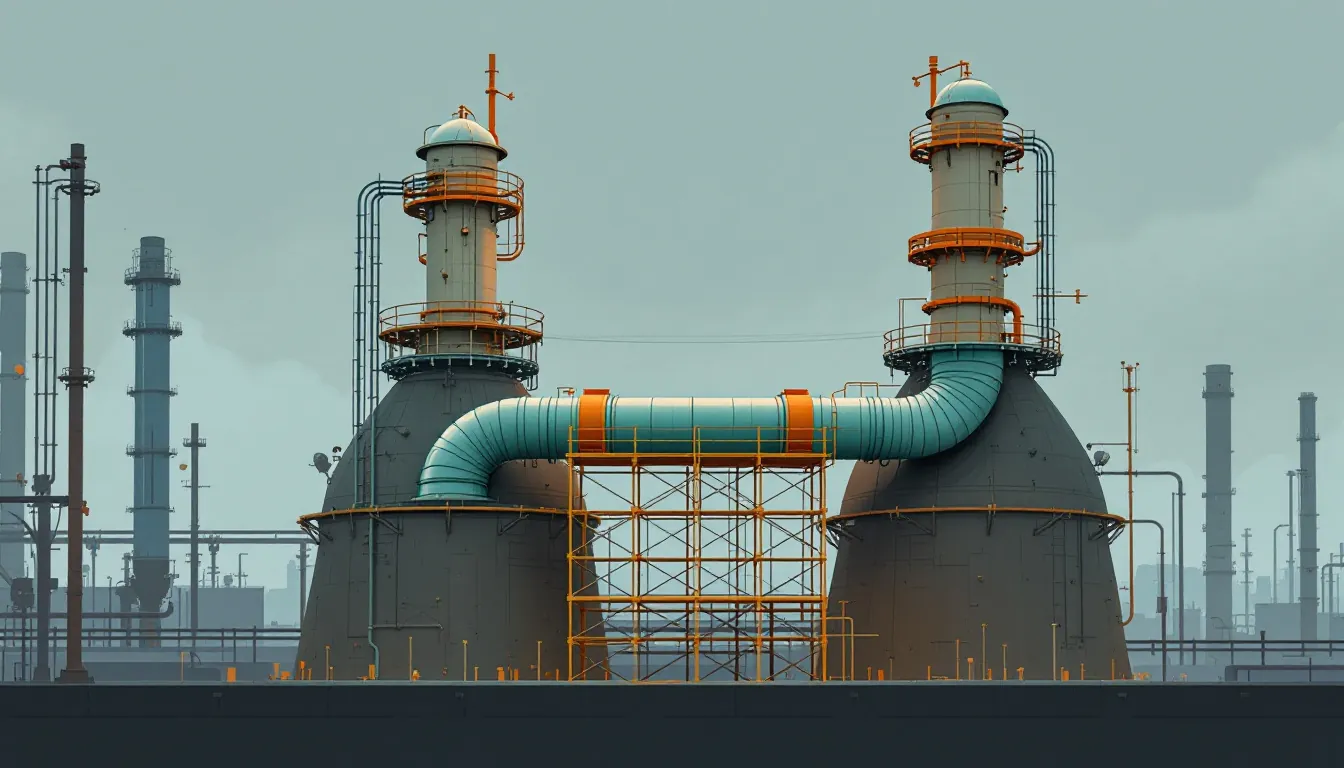
A cracked reactor is taken out of the train. To keep producing, a bypass pipe is installed between the neighbouring reactors on makeshift supports, without calculation or engineering review. The pipe fails; the cyclohexane cloud explodes and destroys the site.
→ Management of change (MOC): a "temporary" change is a real change.

Left hot, the reactor's temperature climbs until the rupture disc opens; the release contains dioxin (TCDD). The public is not told in time and evacuation is late.
→ Knowledge of process hazards, emergency plans and public information (the EU "Seveso" directive).
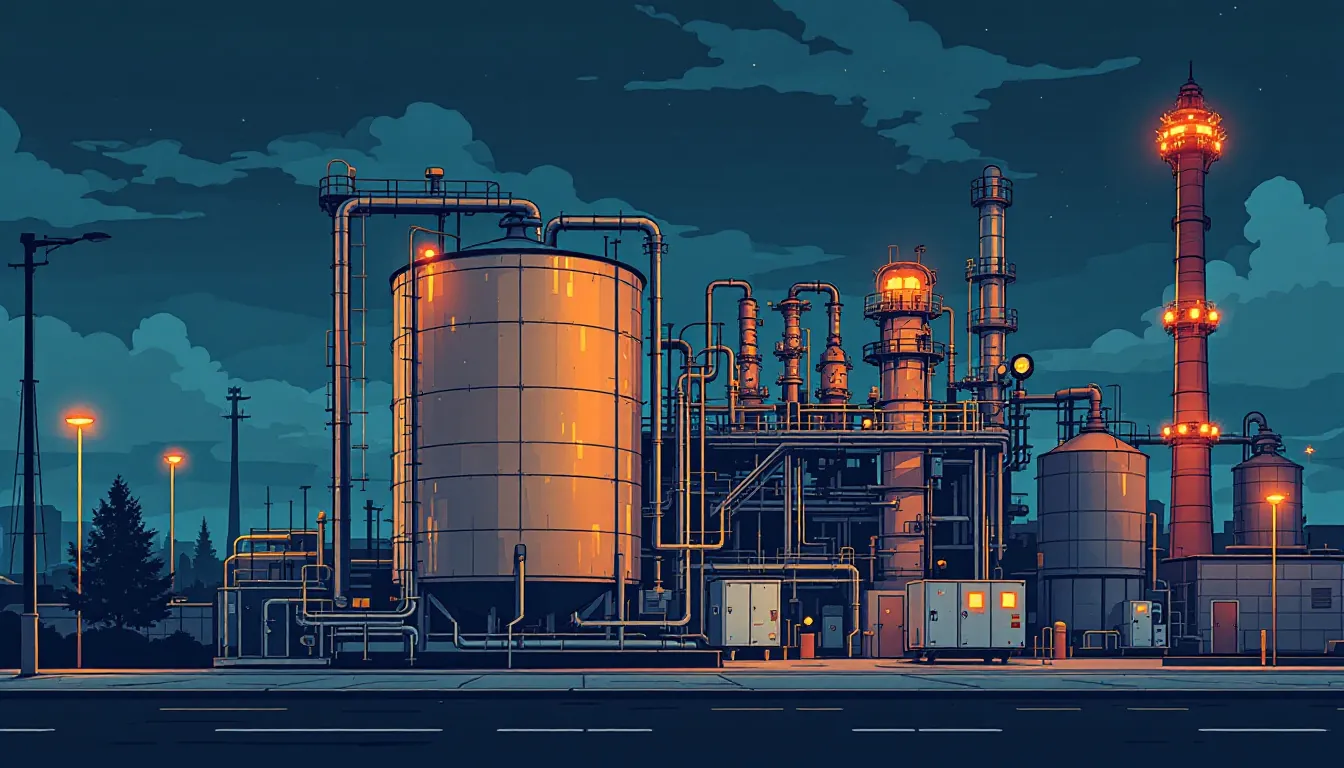
Water enters an MIC tank; the reaction heats and over-pressurizes the tank. The designed barriers — refrigeration, scrubber, flare — were off, undersized or under repair. Nobody had assessed what "everything out of service at once" meant.
→ Birth of modern PSM: CCPS (1985), in Canada MIACC (1987), then the OSHA 1910.119 standard (1992). Hazard analysis and barrier integrity.
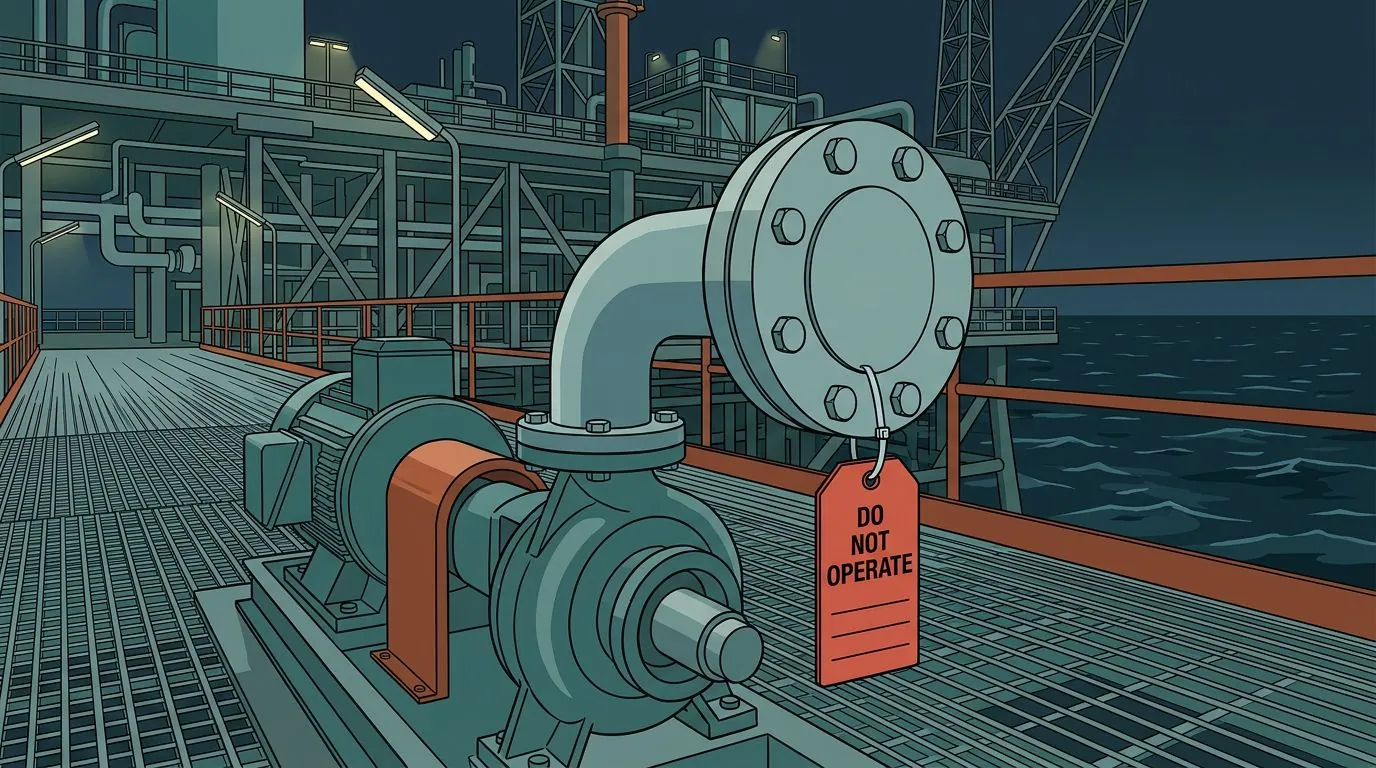
A pump's pressure-relief valve is removed for maintenance and blanked off. The night crew, missing the work-permit information, restarts the pump. Condensate leaks and explodes; the fire takes the whole platform.
→ Work permits, shift handover and lockout; in the UK, the "safety case" (Cullen report).
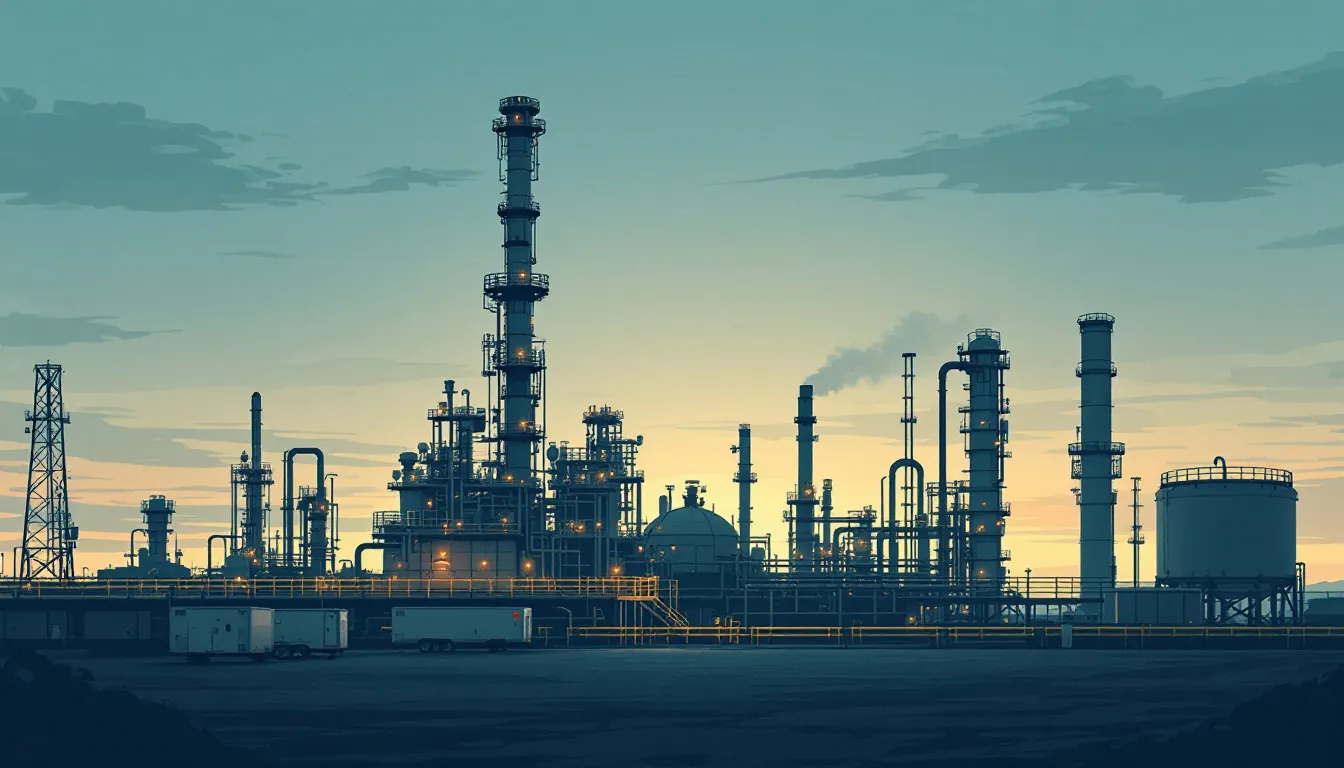
During start-up a column is filled far above its normal level; the level instruments mislead the crew. Liquid overflows to a blowdown drum vented to atmosphere; the cloud ignites near occupied trailers. The site had a good injury rate — and an ignored history of losses of containment.
→ Process-safety-specific indicators, pre-startup review, siting of occupied buildings, safety culture.
The full module is for enrolled learners
This is where the sample ends. The full module — every section, the real case, the interactive exercise, the quiz and the 'on the floor' list — is available to enrolled learners and teams. Request access and we will get back to you.